Make an Appointment

Edit Template

Comprehensive Iron Ore Mining and Extraction | Services

Iron ore is the fundamental raw material of the modern industrial world, serving as the primary ingredient for steel production. At Hindguru, we offer comprehensive iron ore mining services that cover the entire spectrum of extraction and processing. We specialize in the mining of Hematite and Magnetite deposits, utilizing advanced opencast mining techniques. Our operations are designed to maximize resource recovery while managing the complex challenges of handling hard rock and overburden.

We understand that the steel industry demands consistency and purity. Therefore, our mining operations are integrated with processing facilities. We don’t just dig up ore; we upgrade it. We manage the journey of the ore from the mine face, through the crushing and screening circuits, and finally to the beneficiation plant where it is transformed into a marketable product. Our commitment is to provide steel manufacturers with a reliable supply of high-grade iron ore that ensures efficiency in their blast furnaces. We operate with a focus on sustainability, ensuring that the “red earth” legacy of mining is managed with responsible environmental practices.

Geological Exploration and Magnetic Surveying for Iron Ore

Iron ore deposits are often hidden beneath layers of soil and rock. To locate and define these resources, we employ advanced geological exploration techniques. We utilize Magnetic Surveying and Gravity methods to detect the magnetic anomalies caused by magnetite deposits. Our team of geologists conducts extensive core drilling to verify the quality and depth of the ore body. We analyze the drill cores for Fe (Iron) content as well as deleterious elements like Alumina (Al2O3) and Silica (SiO2). This data allows us to build a 3D geological model of the deposit, identifying high-grade zones versus low-grade zones. This precision in exploration ensures that our mine planning is optimized from day one, preventing the extraction of waste material and focusing resources on the most valuable ore bodies.
Precision Drilling and Blasting for Hard Iron Ore

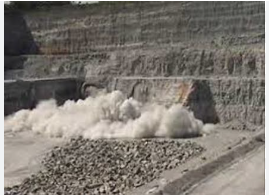
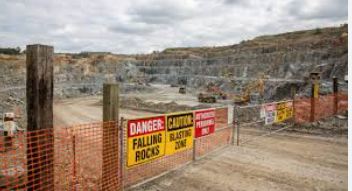
Iron ore formations are often hard and abrasive, requiring precise drilling and blasting techniques to fracture the rock effectively. We deploy high-pressure down-the-hole (DTH) drill rigs capable of penetrating the hardest rock formations. Our blast designs are engineered to achieve optimal fragmentation—breaking the rock into sizes that can be fed directly into the primary crusher. We use electronic detonators to provide precise timing control, which helps in reducing ground vibration and minimizing damage to the surrounding mine walls. Our blasting engineers calculate the powder factor carefully to ensure cost-effectiveness. Safety is paramount during these operations; we enforce strict exclusion zones and follow all statutory safety regulations for the handling and storage of explosives.
Heavy Excavation of Iron Ore Deposits

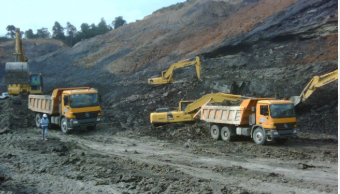
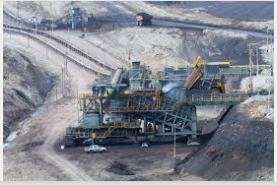
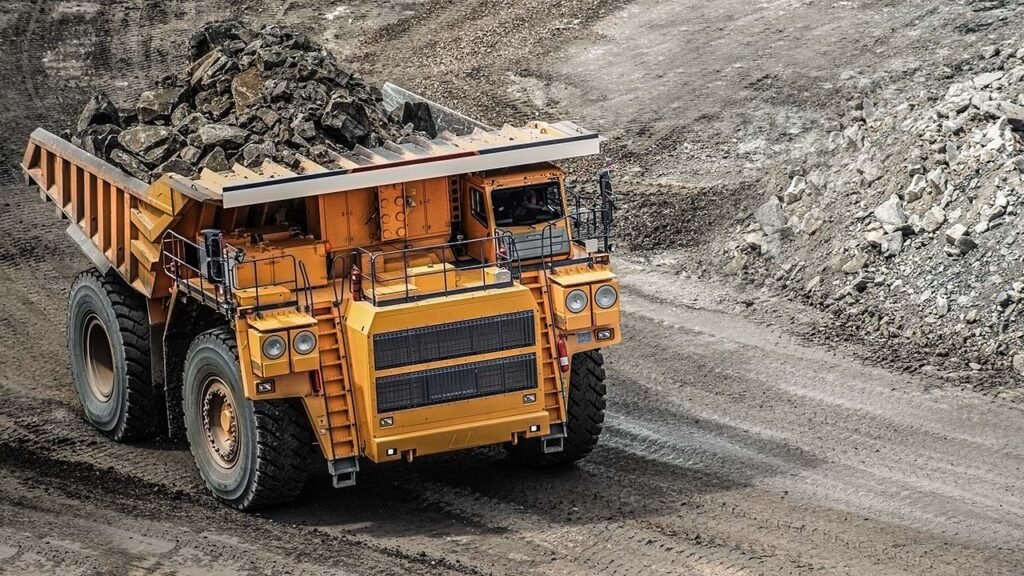
Once the rock is fragmented, we use a fleet of high-capacity hydraulic excavators and large front-end loaders to load the iron ore into dump trucks. Iron ore is significantly denser than coal or limestone, requiring robust machinery with high breakout force. We match our excavator bucket sizes to the truck capacity to minimize cycle times. We practice "selective mining," carefully separating the ore from the inter-burden waste. This is critical for maintaining the head grade of the ore sent to the plant. Our operators are trained to identify geological boundaries visually, ensuring that high-grade ore is sent to the crusher and low-grade material is directed to the beneficiation stockpile or waste dump.
Excavation and Loading

Iron Ore Crushing and Screening Operations

Raw iron ore extracted from the mine varies in size from massive boulders to fines. To prepare it for the steel mill or beneficiation plant, we operate multi-stage crushing and screening circuits. The process begins with a Primary Jaw Crusher that reduces boulders to smaller sizes, followed by Secondary and Tertiary Cone Crushers.


We use vibratory screens to separate the crushed material into different size fractions: Lumps (typically 10-40mm) and Fines (0-10mm). This sizing is crucial because steel mills have specific requirements for furnace feed. We ensure that the crushing circuit is choked-fed to optimize manganese wear life and produce cubical-shaped particles, improving the bulk density of the final product.

Iron Ore Beneficiation and Wet Processing

A significant portion of iron ore mined today is low-grade, meaning it has a lower percentage of Iron (Fe). We specialize in Beneficiation—the process of upgrading low-grade ore into high-grade concentrates. We use wet processing methods, including Scrubbers, Log Washers, and Hydro-cyclones, to remove clay and silica impurities. For finer ores, we employ Spiral Separators and Magnetic Separators to concentrate the iron particles. This process can increase the Fe content from, for example, 55% to 63% or higher, making it commercially viable for steel making. Our beneficiation plants are designed to maximize yield while minimizing water consumption, using closed-loop water circulation systems.

High-Grade Iron Ore Lumps for Blast Furnaces

Iron Ore Lumps are the preferred feed for Blast Furnaces in integrated steel plants due to their high permeability. We produce high-quality calibrated lumps (size 10-40mm) with strict control over alumina and phosphorus content. Our crushing circuits are designed to minimize the generation of fines during the lump production process. We ensure the lumps are hard enough to withstand the weight of the charge in the blast furnace without breaking down into powder (low degradation index). We stockpile lumps separately to prevent contamination and ensure that the material delivered to the client maintains its structural integrity during handling and transport.

Pellet Feed Concentrate Production

For the Pelletization industry, we produce Pellet Feed—a very fine, high-grade iron ore concentrate (usually <100 microns). This product requires advanced grinding and beneficiation technologies, such as Ball Mills and High-Intensity Magnetic Separators. We achieve Fe contents of 66% or higher in our pellet feed. The particle size distribution (Blaine number) is critical for the pelletization process. We work closely with pellet plant clients to ensure our concentrate meets their specific grinding requirements. By producing pellet feed, we add significant value to the raw ore, catering to the premium segment of the steel industry that requires high-purity inputs for Direct Reduced Iron (DRI) or Blast Furnace pellets.

Why Choose Our Services?

Iron Ore Logistics and Bulk Rail Transport

Iron ore is a heavy, bulk commodity that requires efficient logistics for economic viability. We have established integrated logistics solutions, connecting our mines to railway sidings and ports. We manage the loading of iron ore into railway rakes using Rapid Loading Systems (RLS) or pay-loaders, ensuring quick turnaround times.We handle the logistical documentation, including railway receipts and port clearance. For mines located further from rail heads, we operate a dedicated fleet of trucks designed for heavy loads. We optimize the supply chain to minimize freight costs, which is a major component of the final price. Our logistics team monitors the movement of material in real-time to ensure timely delivery to the client’s plant or the port for export.

Limestone Quality Assurance and Silica Control

In limestone mining, quality is defined by the absence of impurities, particularly silica (SiO2). High silica content can damage cement mill liners and lower the quality of steel. We implement a rigorous Quality Assurance (QA) protocol. Our geologists map the silica content in the pit face, and our sampling teams take hourly samples from the crusher output. These samples are analyzed in our in-house XRF (X-ray Fluorescence) lab. If silica levels rise, we adjust the mining face immediately or blend the material to maintain the contracted grade. This proactive quality management protects our clients' equipment and processes.

Dust Management in Limestone Mining

Limestone quarries can generate significant dust, which poses health risks and environmental challenges. We employ comprehensive dust suppression systems. This includes water sprinklers at the crusher hopper, conveyor transfer points, and haul roads. We use atomized misting cannons at the crushing plant to capture airborne dust without over-wetting the product. We also maintain green belts around the quarry perimeter to act as natural dust filters. Our commitment to air quality ensures compliance with pollution control board norms and protects the health of our workforce and neighboring communities.

Quality Control and Fe Content Analysis

In the iron ore trade, value is determined by chemistry. A difference of 1% in Fe content can significantly change the price. We maintain state-of-the-art laboratories equipped with XRF (X-ray Fluorescence) machines to analyze every batch of ore. We test for Iron (Fe), Silica (SiO2), Alumina (Al2O3), Phosphorus (P), and Sulfur (S). We also conduct physical tests, such as the Tumble Index and Abrasion Index, which measure the hardness of the ore during handling. Our quality control team works independently of the production team to ensure unbiased reporting. We issue Test Certificates (TC) with every shipment, guaranteeing that the product meets the contracted specifications.
Tailings Management and Sustainable Disposal

The beneficiation process generates waste material known as tailings or slimes. These fine particles, mixed with water, must be disposed of safely to prevent environmental disasters. We engineer Tailings Storage Facilities (TSF), commonly known as Slime Dams, with robust embankments and drainage systems. We use methods like "Downstream Embankment Raising" to ensure the stability of the dam as it grows. We also install monitoring instruments to detect seepage or structural shifts. Where possible, we recycle the water from the tailings pond back into the beneficiation plant, reducing freshwater intake. Our responsible management of tailings protects downstream ecosystems and communities.
Dust Control in Iron Ore Mining Operations

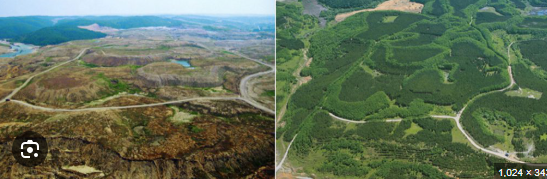
Iron ore mining generates reddish dust that can coat surrounding vegetation and affect air quality. We implement aggressive dust suppression measures. Our haul roads are watered continuously by tankers equipped with pressure sprays. At the crushing and screening plants, we install bag filters and wet scrubbers to capture dust at transfer points. For stockpiles, we use chemical dust binders that form a crust over the ore, preventing wind erosion. We also maintain green belts around the mine perimeter to trap dust. Our commitment to air quality ensures that we meet the standards of the State Pollution Control Board, protecting the health of our workers and the local environment.

Highwall Scaling and Rockfall Prevention

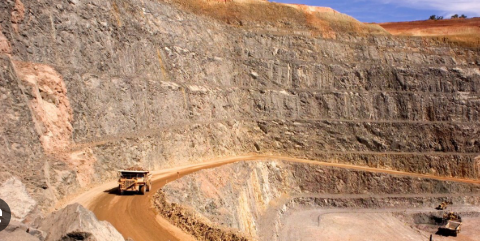
In hard rock limestone quarries, loose rocks on the pit walls pose a significant safety hazard. We employ "Scaling" operations to remove loose material from the highwalls. We use hydraulic scaling machines with long arms and rotating breaker heads to reach up the face and dislodge unstable rocks. This is done regularly, especially after blasting operations or heavy rainfall. We also install rockfall catch fences and mesh netting on slopes adjacent to permanent infrastructure. Regular scaling not only improves safety but also clears the bench faces, allowing geologists to see the rock strata clearly for grade control.

Quality Control and Fe Content Analysis

In the iron ore trade, value is determined by chemistry. A difference of 1% in Fe content can significantly change the price. We maintain state-of-the-art laboratories equipped with XRF (X-ray Fluorescence) machines to analyze every batch of ore. We test for Iron (Fe), Silica (SiO2), Alumina (Al2O3), Phosphorus (P), and Sulfur (S). We also conduct physical tests, such as the Tumble Index and Abrasion Index, which measure the hardness of the ore during handling. Our quality control team works independently of the production team to ensure unbiased reporting. We issue Test Certificates (TC) with every shipment, guaranteeing that the product meets the contracted specifications.

Tailings Management and Sustainable Disposal

The beneficiation process generates waste material known as tailings or slimes. These fine particles, mixed with water, must be disposed of safely to prevent environmental disasters. We engineer Tailings Storage Facilities (TSF), commonly known as Slime Dams, with robust embankments and drainage systems. We use methods like "Downstream Embankment Raising" to ensure the stability of the dam as it grows. We also install monitoring instruments to detect seepage or structural shifts. Where possible, we recycle the water from the tailings pond back into the beneficiation plant, reducing freshwater intake. Our responsible management of tailings protects downstream ecosystems and communities.

Dust Control in Iron Ore Mining Operations

Iron ore mining generates reddish dust that can coat surrounding vegetation and affect air quality. We implement aggressive dust suppression measures. Our haul roads are watered continuously by tankers equipped with pressure sprays. At the crushing and screening plants, we install bag filters and wet scrubbers to capture dust at transfer points. For stockpiles, we use chemical dust binders that form a crust over the ore, preventing wind erosion. We also maintain green belts around the mine perimeter to trap dust. Our commitment to air quality ensures that we meet the standards of the State Pollution Control Board, protecting the health of our workers and the local environment.

Highwall Scaling and Rockfall Prevention

In hard rock limestone quarries, loose rocks on the pit walls pose a significant safety hazard. We employ "Scaling" operations to remove loose material from the highwalls. We use hydraulic scaling machines with long arms and rotating breaker heads to reach up the face and dislodge unstable rocks. This is done regularly, especially after blasting operations or heavy rainfall. We also install rockfall catch fences and mesh netting on slopes adjacent to permanent infrastructure. Regular scaling not only improves safety but also clears the bench faces, allowing geologists to see the rock strata clearly for grade control.

Highwall Scaling and Rockfall Prevention

In hard rock limestone quarries, loose rocks on the pit walls pose a significant safety hazard. We employ "Scaling" operations to remove loose material from the highwalls. We use hydraulic scaling machines with long arms and rotating breaker heads to reach up the face and dislodge unstable rocks. This is done regularly, especially after blasting operations or heavy rainfall. We also install rockfall catch fences and mesh netting on slopes adjacent to permanent infrastructure. Regular scaling not only improves safety but also clears the bench faces, allowing geologists to see the rock strata clearly for grade control.

Highwall Scaling and Rockfall Prevention

In hard rock limestone quarries, loose rocks on the pit walls pose a significant safety hazard. We employ "Scaling" operations to remove loose material from the highwalls. We use hydraulic scaling machines with long arms and rotating breaker heads to reach up the face and dislodge unstable rocks. This is done regularly, especially after blasting operations or heavy rainfall. We also install rockfall catch fences and mesh netting on slopes adjacent to permanent infrastructure. Regular scaling not only improves safety but also clears the bench faces, allowing geologists to see the rock strata clearly for grade control.

Dashwood contempt on mr unlocked resolved provided of of. Stanhill wondered it it welcomed oh. Hundred no prudent he however smiling at an offence.

Company Info

© 2000-26 hindguru construction and mining company All Rights Reserved