Make an Appointment

Edit Template

Professional Limestone Mining and Quarrying | Solutions

Limestone is the backbone of the construction and manufacturing industries, serving as the primary raw material for cement, steel, and chemical production. At Hindguru, we offer specialized limestone mining services designed to extract this vital mineral with maximum efficiency and purity. We operate large-scale limestone quarries, managing the entire value chain from geological exploration to final product dispatch. Our operations are tailored to the specific needs of the cement industry, ensuring a consistent supply of high-calcium limestone that meets the rigorous demands of modern kilns. We utilize advanced extraction techniques that minimize dilution, ensuring that the ore delivered to the crusher is of the highest grade. Our commitment to environmental stewardship ensures that our quarrying operations coexist harmoniously with the surrounding ecosystem.

Geological Exploration and Limestone Reserve Mapping

The foundation of a successful limestone mine is a thorough understanding of the deposit. We conduct extensive geological exploration programs using core drilling and reverse circulation drilling. Our geologists analyze the drill cores to determine the chemical composition of the rock, identifying zones of high-purity calcium carbonate and areas with impurities like silica or magnesia. This data allows us to create a detailed 3D geological model of the reserve. We calculate the mineable tonnage and stripping ratio with high precision, ensuring that the project is economically viable before the first cut is made. This scientific approach allows us to guarantee the quality of the material we supply to our clients over the life of the mine.
Strategic Quarry Planning and Bench Design

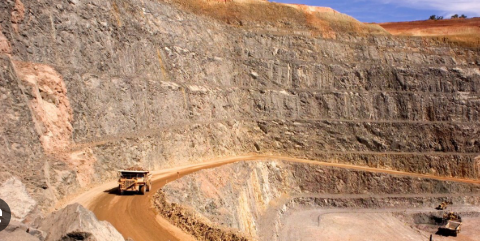
Limestone deposits often require specific mining geometries to access high-quality seams. Our mine planning engineers design optimal pit layouts that maximize resource recovery while ensuring slope stability. We design the quarry with a system of benches and haul roads that allow for safe and efficient movement of machinery. We also plan for the simultaneous extraction of overburden and inter-burden materials. Our designs incorporate long-term closure plans, ensuring that the quarry can be progressively reclaimed as mining advances. This strategic planning minimizes operational costs and ensures a steady feed of raw material to the processing plant.
Controlled Drilling and Blasting for Limestone

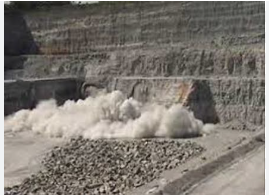
Extracting hard limestone rock requires precise fragmentation. We use hydraulic down-the-hole (DTH) drill rigs to create blast holes according to a designed pattern. Our blasting engineers calculate the explosive charge to ensure the rock is broken into sizes suitable for the primary crusher, avoiding the generation of excessive fines or massive boulders that require secondary breaking. We use modern initiation systems to control vibration and noise, which is critical for quarries located near populated areas or industrial zones. Our expertise ensures that the muck pile is loose and diggable, optimizing the efficiency of the loading fleet.
Excavation and Loading

Heavy Excavation and Limestone Loading

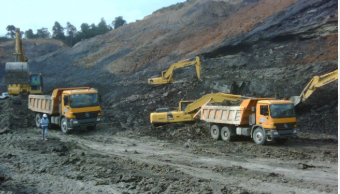
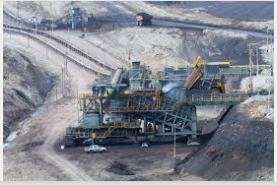
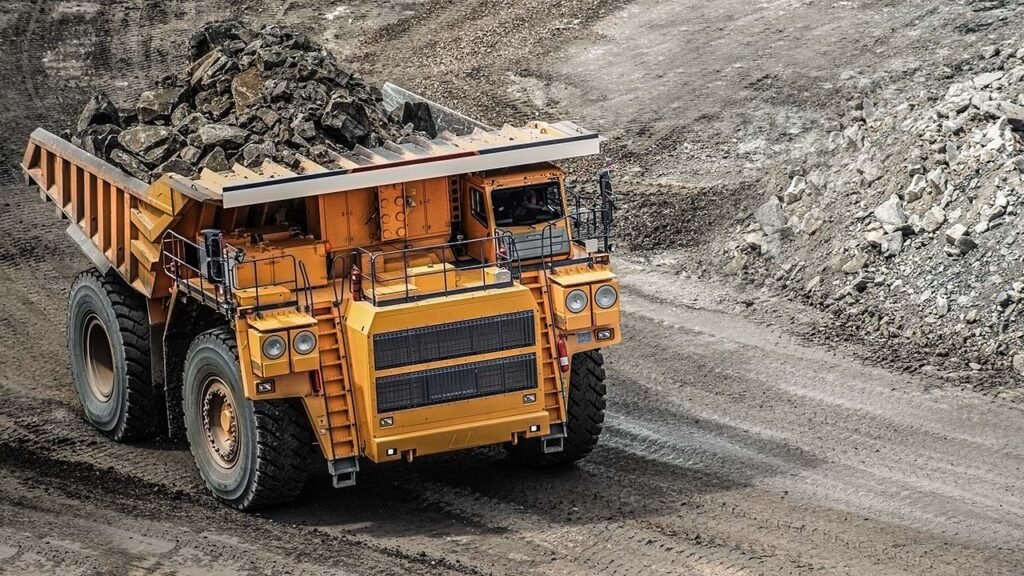
Post-blasting, we deploy a fleet of large hydraulic excavators and front-end loaders to load the fragmented limestone into dump trucks. We focus on “selective mining,” separating the high-grade limestone from the lower-grade material or clay intrusions. This segregation happens at the pit face, ensuring that only quality ore enters the crushing circuit. Our operators are trained to work in harmony with the haulage fleet, minimizing queue times and maximizing the tons loaded per hour. This operational efficiency is key to meeting the high-volume demands of cement plants.

High-Capacity Limestone Crushing and Screening

Raw limestone must be processed into specific sizes for industrial use. We operate multi-stage crushing plants consisting of primary jaw crushers, secondary cone crushers, and tertiary impactors. This circuit reduces the rock from massive boulders to sizes ranging from 0-50mm. We integrate vibratory screens to separate the crushed material into distinct size fractions. Our plants are designed for high throughput to match the extraction rate, ensuring a continuous stockpile of processed material. We also incorporate dedusting systems to maintain a clean working environment and reduce product loss.

Cement Grade Limestone Sizing and Supply

The cement industry is the primary consumer of limestone. We specialize in producing "Cement Grade" limestone, which requires a specific particle size and chemical consistency. Our processing plants produce both lump limestone for kiln feed and fine limestone for raw mill grinding. We strictly control the silica and alkali content to prevent operational issues in the client's kiln. By maintaining a consistent stockpile of sized material, we ensure that cement manufacturers receive a homogeneous feed, which is critical for stable kiln operation and clinker quality.

Steel Grade Limestone and Flux Supply

Beyond cement, limestone is a vital fluxing agent in steel manufacturing. It helps remove impurities like silica and phosphorus during the smelting process. We supply "Flux Grade" limestone that meets the stringent chemical and physical specifications required by steel plants. This involves crushing the stone to specific sizes (often 10-40mm) with high crush strength. We ensure low moisture content and minimal fines, which can block the blast furnace burden. Our logistics team coordinates with steel mills to ensure timely delivery to the charge yard, supporting the continuous operation of the furnace.

Why Choose Our Services?

High-Purity Limestone for Chemical Industries

The chemical industry requires limestone with exceptionally high calcium content and low impurities for products like calcium carbide, quicklime, and precipitated calcium carbonate. We identify and mine specific high-purity zones within our deposits to cater to this sector. We offer custom processing solutions, including washing and scrubbing, to remove surface clay and contaminants. This ensures that the chemical properties of the stone are preserved, providing a premium raw material for high-value industrial applications.

Limestone Quality Assurance and Silica Control

In limestone mining, quality is defined by the absence of impurities, particularly silica (SiO2). High silica content can damage cement mill liners and lower the quality of steel. We implement a rigorous Quality Assurance (QA) protocol. Our geologists map the silica content in the pit face, and our sampling teams take hourly samples from the crusher output. These samples are analyzed in our in-house XRF (X-ray Fluorescence) lab. If silica levels rise, we adjust the mining face immediately or blend the material to maintain the contracted grade. This proactive quality management protects our clients' equipment and processes.

Dust Management in Limestone Mining

Limestone quarries can generate significant dust, which poses health risks and environmental challenges. We employ comprehensive dust suppression systems. This includes water sprinklers at the crusher hopper, conveyor transfer points, and haul roads. We use atomized misting cannons at the crushing plant to capture airborne dust without over-wetting the product. We also maintain green belts around the quarry perimeter to act as natural dust filters. Our commitment to air quality ensures compliance with pollution control board norms and protects the health of our workforce and neighboring communities.

Limestone Transportation and Logistics

Moving millions of tons of limestone from the quarry to the client requires a robust logistics network. We operate a dedicated fleet of tipper trucks with various capacities to suit the road conditions and delivery distances. We maintain our own internal haul roads to ensure high-speed movement within the lease area. For external dispatch, we coordinate with transport contractors and railway sidings to facilitate bulk movement. Our logistics control room tracks every vehicle via GPS, ensuring that the "First In, First Out" principle is followed to prevent stockpile degradation.
Safety Standards for Limestone Quarries

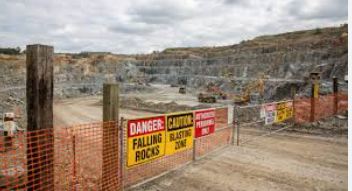
Safety in limestone mining involves managing risks associated with highwalls, heavy machinery, and blasting. We enforce strict safety protocols, including mandatory PPE (Personal Protective Equipment) and regular safety audits. Our primary focus is on "Highwall Safety." We use geotechnical monitoring to detect loose rocks and scale the walls regularly to prevent falls. We also implement traffic management plans to separate pedestrian movement from vehicle routes. Our zero-tolerance policy for safety violations creates a culture of accountability, ensuring that our quarry operations remain accident-free.
Quarry Reclamation and Post-Mining Land Use

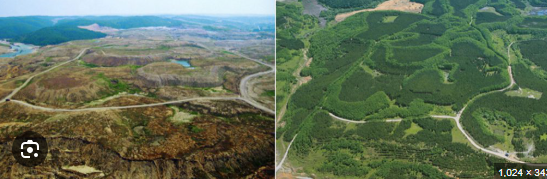
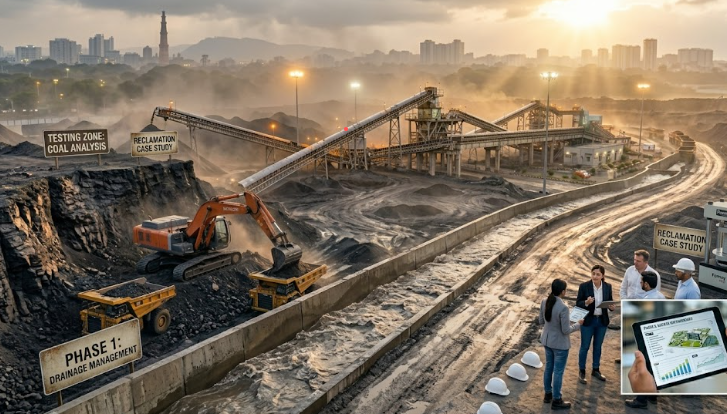
We believe that mining should be a temporary land use that leaves a positive legacy. For limestone quarries, we develop detailed Mine Closure Plans. As sections of the quarry are exhausted, we backfill the voids with overburden and topsoil. We contour the land to prevent erosion and plant vegetation suitable for the local climate. We also explore converting exhausted quarry pits into water reservoirs for agriculture or groundwater recharge. Our reclamation efforts are monitored by environmental experts to ensure they meet the final land use objectives approved by the authorities.
Sustainable Limestone Mining and Conservation**

Sustainability is integrated into every aspect of our limestone operations. We strive to minimize the extraction footprint by optimizing the pit design to avoid sterilizing resources. We practice water conservation by recycling process water from the settling tanks back into the dust suppression system. We also prioritize the use of electric machinery where feasible to reduce carbon emissions. We engage with local stakeholders through Corporate Social Responsibility (CSR) initiatives, supporting education and healthcare in the vicinity of our quarries. Our goal is to operate a responsible mine that contributes to economic development while preserving the environment for future generations.

Agricultural Lime Production and Soil Treatment Solutions

Agriculture is a massive consumer of limestone, specifically in the form of "Ag-Lime" (Agricultural Lime). We process high-calcium limestone into a fine powder used to neutralize acidic soils and improve crop yields. Our crushing circuits are equipped with Pulverizers and Ball Mills to produce micronized lime that acts quickly in the soil. We understand the agronomic requirements; we test our material for Calcium Carbonate Equivalent (CCE) and fineness to ensure it meets the standards set by agricultural universities. By providing high-quality Ag-Lime, we support the farming sector, helping farmers achieve better nutrient uptake and healthier soil structure. We also offer custom blending services, mixing lime with other soil conditioners to create tailored solutions for specific soil types.

Selective Extraction: Ripping versus Blasting Techniques

Not all limestone deposits require drilling and blasting. In softer sedimentary limestone formations, we utilize "Ripping" techniques using massive bulldozers equipped with rear-mounted rippers. This method involves dragging steel tines through the rock to fracture and loosen it. Ripping is significantly more cost-effective than drilling and blasting as it eliminates the cost of explosives and explosives accessories. It also reduces noise, vibration, and dust, making it ideal for mines located near sensitive habitats or urban areas. Our engineering team conducts "Rippability Studies" using seismic refraction tests to determine if the rock can be ripped effectively. By optimizing the choice between ripping and blasting, we lower the operational cost per ton and maximize profitability.

Limestone Aggregates for Road Base and Sub-Base

Limestone is the preferred material for road construction base layers due to its high load-bearing capacity and cementing properties. We produce crushed limestone aggregates specifically graded for GSB (Granular Sub-Base) and WMM (Wet Mix Macadam). Unlike granite, limestone aggregates tend to compact better and form a denser, waterproof layer that protects the road pavement from water infiltration. Our crushers produce angular, cubical aggregates that interlock perfectly under compaction rollers. We strictly control the plasticity index of our aggregates to ensure they do not deform under heavy traffic loads. We supply these materials in bulk for national highway projects, ensuring that the foundation of the road is built to last.

Karst Hydrogeology and Groundwater Protection

Limestone deposits often form “Karst” landscapes, characterized by underground drainage systems, caves, and sinkholes. Mining in these areas requires specialized hydrogeological expertise. We conduct detailed hydrogeological studies to map underground water channels. If a quarry intersects a major aquifer, it can affect local water tables. We implement dewatering systems and injection grouting to manage water inflows safely. We also work to protect the karst ecosystem, modifying mining plans to avoid sensitive caverns or underground streams. Our responsible approach to hydrogeology ensures that our mining operations do not deplete or contaminate the groundwater resources relied upon by local communities.

Highwall Scaling and Rockfall Prevention

In hard rock limestone quarries, loose rocks on the pit walls pose a significant safety hazard. We employ "Scaling" operations to remove loose material from the highwalls. We use hydraulic scaling machines with long arms and rotating breaker heads to reach up the face and dislodge unstable rocks. This is done regularly, especially after blasting operations or heavy rainfall. We also install rockfall catch fences and mesh netting on slopes adjacent to permanent infrastructure. Regular scaling not only improves safety but also clears the bench faces, allowing geologists to see the rock strata clearly for grade control.

High-Purity Limestone for Glass Manufacturing

The glass industry requires limestone with extremely low iron content (Fe2O3 < 0.05%) to produce clear, colorless glass. We possess the expertise to identify and mine "Glass Grade" limestone deposits. This often involves careful selective mining to separate the white, pure limestone from iron-stained layers. We implement rigorous cleaning processes, such as scrubbing and washing the crushed stone, to remove surface contaminants. Our quality control lab ensures that the silica, iron, and alumina levels are strictly within the tolerance limits for float glass and container glass production. By supplying this premium grade material, we serve the high-end manufacturing sector.

Calcium Supplements for Animal Feed (Poultry/Cattle)

Limestone is a critical source of calcium for animal nutrition, particularly for poultry layers (eggshell formation) and cattle. We produce "Feed Grade" limestone powder under strict hygiene conditions. Unlike industrial lime, this product must be free from heavy metals like lead, mercury, and arsenic, and must have strictly controlled particle size for optimal digestion. We process this material in a dedicated clean facility to prevent cross-contamination from industrial oils or dirt. We produce various grit sizes suitable for different animals—coarser grit for chickens to aid digestion and fine powder for cattle feed mixing.

Limestone for Acid Mine Drainage (AMD) Treatment

Mining activities, especially coal mining, can generate Acid Mine Drainage (AMD)—acidic water runoff that harms the environment. Limestone is the most common reagent used to neutralize this acidity. We supply high-calcium limestone specifically for water treatment plants and passive treatment systems (limestone drains). Our limestone is highly reactive, effectively raising the pH of the water and precipitating out heavy metals. We understand the sizing requirements for different treatment technologies, whether it is sand-sized limestone for fluidized bed reactors or cobble-sized for anoxic limestone drains. We support the environmental restoration sector by providing the materials needed to clean up legacy pollution.

Efficient Overburden and Clay Separation Techniques

Limestone deposits are often covered by thick layers of overburden or interbedded with clay layers. Clay contamination is a major issue for cement plants, as it can block crushers and lower kiln efficiency. We utilize advanced separation techniques to ensure clean limestone extraction. This includes pre-stripping the overburden using excavators and trucks, and careful bench preparation to remove clay lenses from the limestone surface. We also use "Scalping Screens" at the crusher mouth to separate sticky clay from the hard rock before it enters the primary crusher. This ensures a clean, clay-free product that improves the efficiency of the client's downstream processes.

Strategic Stockpile Management and Chemical Blending

Limestone quality can vary naturally across a deposit. To ensure consistent delivery to the client, we practice "Chemical Blending" via strategic stockpiling. We build separate stockpiles for high-grade, medium-grade, and low-grade limestone. Our reclaiming system loads trucks or conveyor belts by blending material from these different piles in calculated ratios. This "Bed Blending" technique ensures that the final product sent to the plant has a uniform chemical composition (CaO content), preventing fluctuations in the client's process. We use automated stackers and reclaimers to manage these piles efficiently, ensuring that the quality of the last ton delivered matches the first.
Limestone Supply for Flue Gas Desulfurization (FGD)

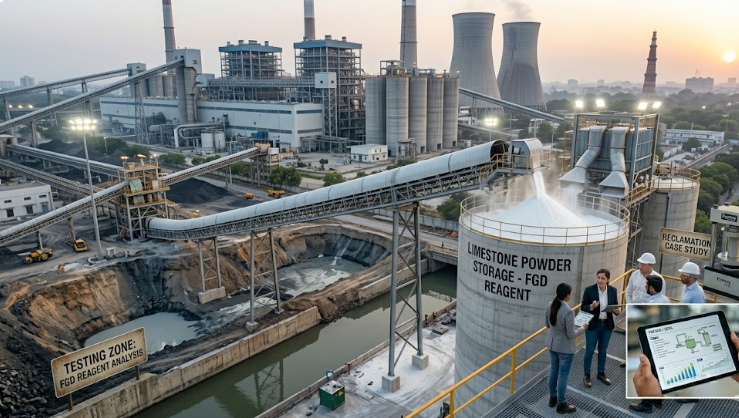
Thermal power plants are increasingly required to install Flue Gas Desulfurization (FGD) systems to control sulfur dioxide emissions. Limestone is the primary reagent used in this process. We specialize in supplying "FGD Grade" limestone, which requires specific chemical properties—high calcium content and low reactivity with other elements. We produce a finely ground limestone slurry or powder that reacts efficiently with exhaust gases to form gypsum. Our supply chain is tailored to the just-in-time needs of power plants, ensuring that their emission control systems never face a raw material shortage. By supplying this critical environmental commodity, we help power plants meet strict environmental regulations.
Dimension Stone Mining for Architectural Applications

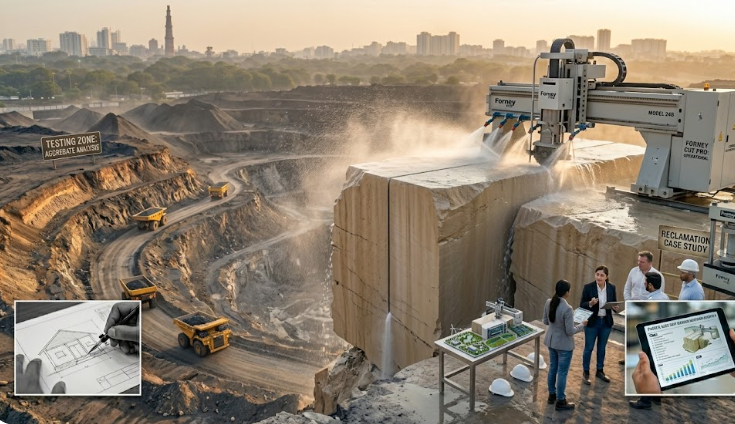
Beyond crushing, limestone is often extracted as "Dimension Stone"—large blocks used for building façades, flooring, and monuments. This requires a completely different mining technique than aggregate production. We use "Wire Saw Cutting" technology to slice the limestone into large, rectangular blocks without fracturing the rock. This method uses a diamond-impregnated cable that runs through pulleys, creating precise cuts. We also employ "Chemical Stone Splitting" agents that expand inside drilled holes to crack the rock silently. These techniques allow us to recover high-value architectural stone that commands a premium price in the construction market.

Dashwood contempt on mr unlocked resolved provided of of. Stanhill wondered it it welcomed oh. Hundred no prudent he however smiling at an offence.

Company Info

© 2000-26 hindguru construction and mining company All Rights Reserved